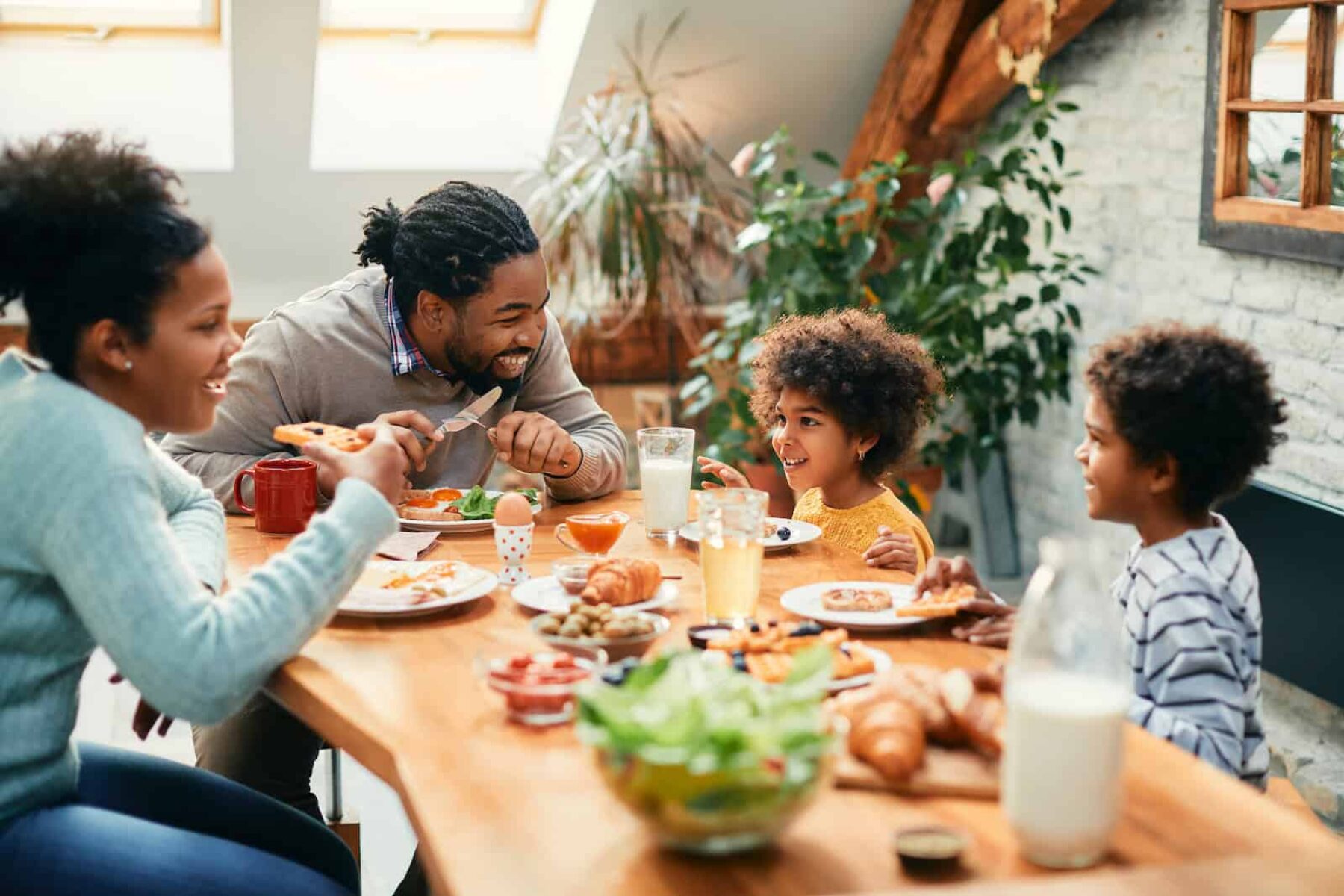

The first meal of the day is often the most skipped, but from cognitive function to reinforcing family bonds, the benefits of making time for good, whole foods in the morning are plentiful
You’re probably familiar with the old proverb ‘you should eat breakfast like a king, lunch like a prince, and supper like a pauper’. But the truth is, in the chaos of modern life, very few of us actually manage to eat this way.
In fact, not only do long, leisurely breakfasts feel like an unachievable luxury to many of us, even on the weekend, the first meal of the day persists in being the most frequently skipped.
The challenges to slowing down for breakfast might be real, but increasingly, scientific research backs the idea that a nutrient-packed breakfast, eaten with care, is not only beneficial for the body, but also the brain and our overall sense of wellbeing. Here’s everything you need to know.

A nutrient-packed breakfast, eaten with care, is not only beneficial for the body, but also our overall sense of wellbeing. Image: romrodinka
1. Scientists are actively researching how protein-rich breakfasts support brain health
Protein has been one of the biggest food and nutrition buzzwords of the last few years, and while many are in it for ‘the gains’, an increasing body of scientific research is focusing on the importance of this essential macronutrient for the brain.
A Harvard study published in 2022 found a correlation between dietary protein intake and lowered risk of cognitive decline. Fascinatingly, it didn’t take much to make a difference; for every 5% of calories that came from animal protein instead of carbohydrates, there was an 11% lower risk for developing dementia. Meanwhile, a large population-based study published in the British Journal of Nutrition found an inverse association between total protein intake and depressive symptoms – meaning higher intake (up to normal recommended levels) correlated with lower risk.
When it comes to sources of protein, eggs are widely recognised as one of the most reliable and highest-quality sources available. “Eggs are ‘superfoods’, and they are very bioavailable to the human body,” explains Bex Tonks, founder and CEO of St. Ewe Free Range Eggs. Bioavailability refers to the extent to which a food can be broken down and absorbed. “The human body is able to draw out all that goodness [from eggs] and store those nutrients in your body tissue,” adds Tonks.
Speaking of nutrients, St. Ewe’s ‘super eggs’ are of note. Specially developed to contain high levels of selenium, vitamin D, and DHA omega-3 – by way of the hens’ diet – these nutrients boost immune system function, help support your brain, heart and blood cell performance, and support the upkeep of healthy muscles and bones too.
2. Sharing family food traditions boosts wellbeing
If you rarely sit down to eat as a family, you’re not alone. A recent survey found that just one in three British families eat together every day, and that 66% of children aged eight to 16 would rather eat in front of a TV or computer than with a parent.
But while they may not appreciate it in the moment, eating together can be hugely beneficial, especially for children. A study by Montreal’s McGill University found that eating as a family is not only good for your physical health, it also has psychological and emotional benefits. Researchers surveyed more than 25,000 boys and girls aged between 11 and 15, and found that teenagers who regularly ate with their parents were more self-confident, helpful, trusting, and more satisfied with life than those who tended to dine alone.
As a working mother-of-three, Tonks knows how busy life can be. “It’s very easy to get whipped up in the whirlwind, isn’t it? But it’s important to take a little bit of time to just remember the flavours.”
Eggs are ‘superfoods’, and they are very bioavailable to the human body
That’s why slowing down and food nostalgia are the two central themes of St. Ewe’s new campaign, For the Love of Egg. These motifs resonate with the wider public: a poll of 2,000 British adults conducted for the campaign found that boiled ‘dippy’ eggs with soldiers are the most nostalgic childhood food – with 19% of respondents admitting to having eaten this combo in bed, and a more adventurous 3%, in the bath.
Tonks knows how childhood food traditions can become cherished memories in adult life. “We’d normally have a fry up on a birthday, which always felt so special,” she says. “Growing up on a farm, we’d always have fresh milk from the cows and fresh eggs from the chickens in the morning, so we were very lucky – and well fed.”
If you’re cooking ‘dippy’ eggs at home, or indeed any meal where an egg is the star of the show, Tonks recommends St. Ewe’s Rich Yolk Eggs – developed for, and loved by, chefs. “They are a little bit more opulent,” she says. “They’re 7% higher in ‘good fats’, and because fat carries flavour, they are very delicious.”
3. Choosing higher welfare foods with strong stories of provenance feels good
We’ve all heard the adage “you are what you eat”, but increasingly, we’re understanding the importance of not just what food we eat, but how that food is produced.
According to research published earlier this year, the majority of UK consumers are willing to pay more for higher animal welfare. But why? Of the 3,013 people surveyed, 66% said concern for animal welfare influenced their purchasing decisions – with most believing that higher welfare food is healthier, tastes better and is better for the environment.
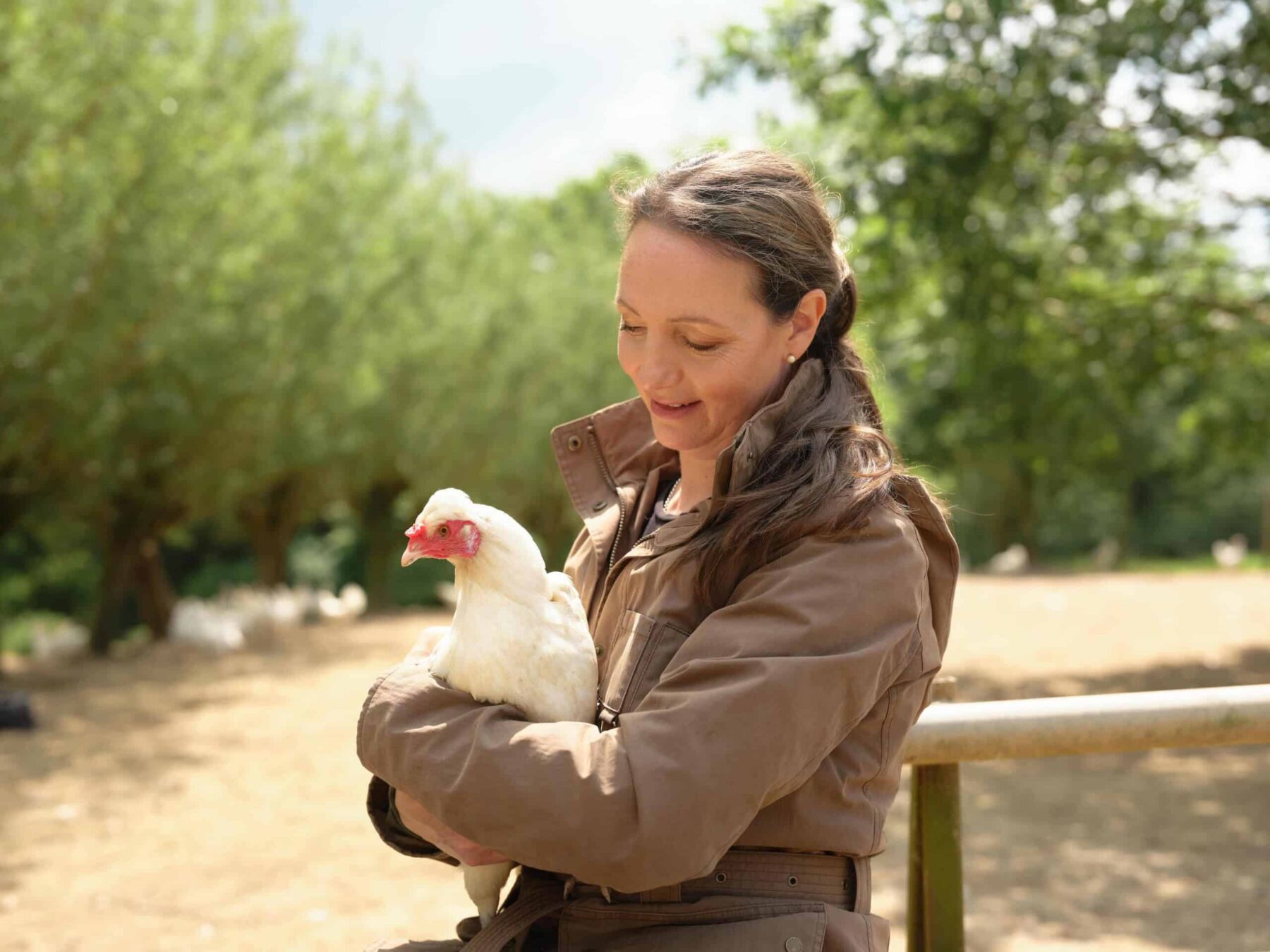
As the head of Europe’s first B Corp certified egg packer, Tonks knows a thing or two about higher welfare foods. “I was about 12 when we got our first flock of hens, and we learned loads,” she says. “Your flock becomes part of your day to day, and if their feed’s not right, it really makes a difference within 24 hours.”
Those early childhood lessons made a lasting impact, and today she jokes: “I probably know what I feed our chickens far better than I know what I’m feeding my own children! As farmers, we hone in on nutrition – you have to, as your animals have got to be in super condition to be able to produce eggs or milk.
“First and foremost, I love farming. I love the countryside, and I love having a purpose,” she adds. “And I think being able to produce food that is going to better people’s lives is … I mean, what better purpose could you have?”
Main image: iStock/Drazen Zigic