Europe’s rivers flowed more freely, scientists hailed a new pill for pancreatic cancer, and a ‘lost species' was found, plus more good news
This week’s good news roundup
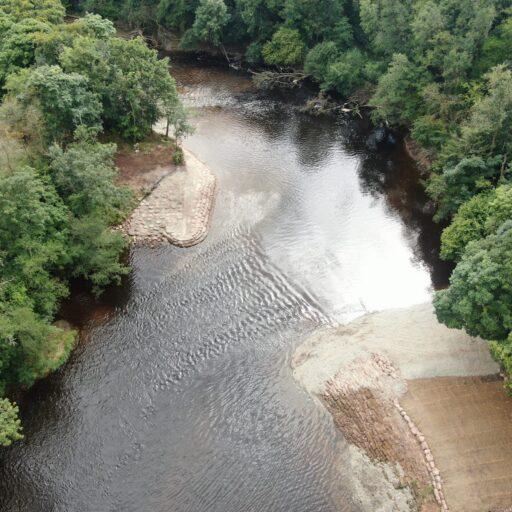
In a victory for nature, more than 2,300 miles of waterways were reconnected in Europe last year, as a record number of dams were removed across the continent.
A new report by Dam Removal Europe, an environmental group, found that 603 river barriers were taken down across the continent last year – up significantly on the 542 removed in 2024. Sweden led the way, with 173 removals, followed by Finland (143) and Spain (109). Iceland and Macedonia, meanwhile, pulled down their first river barriers.
According to the report, the record breaking year saw Europe’s dam busters reconnect around 2,300 miles of waterways in 2025, improving river habitats and reopening migratory routes for fish.
Biodiversity gains have already been reported in some places, including along the River Dee in north Wales (pictured), where sightings of sea lamprey nests have surged since Eribstock Weir was removed.
“Seeing these [nests] is genuinely exciting,” said Joel Rees-Jones, who led the project. “By reconnecting habitats and removing barriers like Erbistock Weir, we’re giving iconic species such as lamprey and Atlantic salmon a fighting chance to thrive.”
However, obstacles remain. “With more than 150,000 obsolete barriers fragmenting European rivers, there is still a lot of work to be done,” said Dam Removal Europe. “But momentum is really building.”
Image: Christian Björling
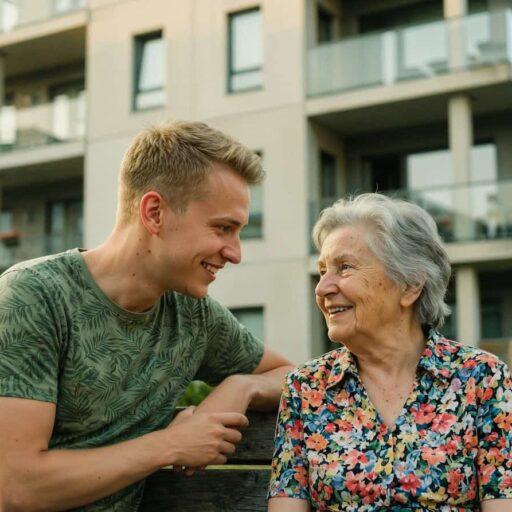
A breakthrough pill has been shown to double the survival time for people with advanced pancreatic cancer – a disease once considered “undruggable”.
Pancreatic cancer is one of the deadliest cancers with five-year survival rates below 15%, according to the National Cancer Institute in the US. But, in the first real sign of progress against the disease, a new drug has been shown to shut down the key protein that drives pancreatic cancer.
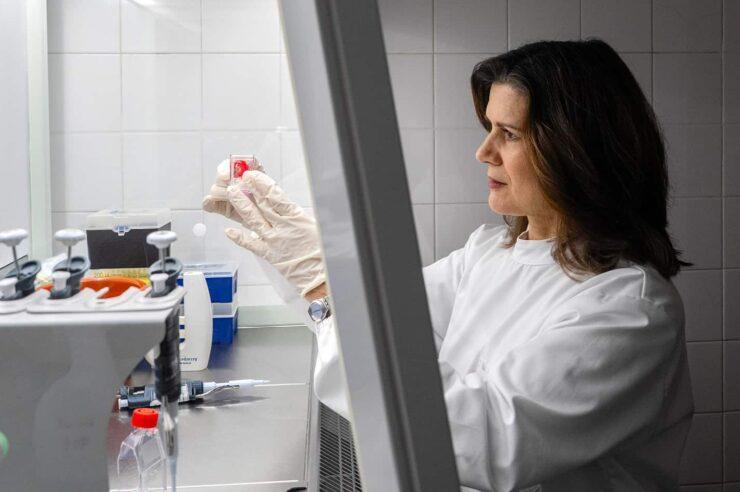
In a 500-person trial, daraxonrasib increased the average survival time for people with advanced pancreatic cancer from 6.7 months to 13.2 months. The drug also caused fewer side effects than chemotherapy, scientists said.
“Research has pretty much doubled survival rates across all cancers bar a few, but pancreatic cancer is one of those really stubborn cancers which has lagged behind,” said Dr Sam Godfrey from Cancer Research UK, a charity. “Anything which gives people more time when they have such an intractable, difficult-to-treat cancer is really, really exciting.”
Regulators will evaluate the data to see if daraxonrasib is suitable for use as a standard treatment. It comes weeks after an AI model offered hope for catching pancreatic cancer early, key to boosting survival rates.
Image: Gerd Altmann

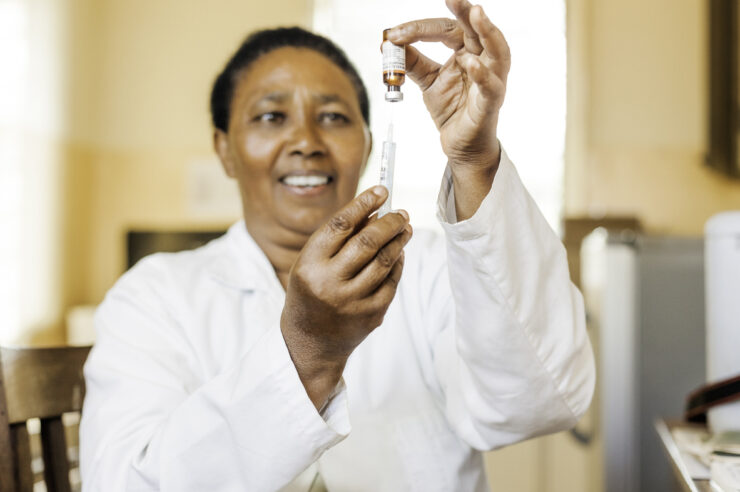
Millions of people with breast cancer could be spared unnecessary chemotherapy thanks to a new gene test, scientists said this week.
An international trial involving 4,000 men and women found that more than two-thirds of participants could safely avoid chemotherapy and its debilitating side effects, and be treated with hormone therapy instead.
The test, Prosigna, measures activity in genes involved in breast cancer growth and calculates a patient’s risk of the disease returning. In the trial, those who received a low score – around two-thirds of participants – were not given chemotherapy. Their five-year survival rate was 93.7%, compared with 94.9% among patients who did receive it.
“Our findings show that many patients can safely avoid chemotherapy without compromising their outcomes,” said trial lead Prof Rob Stein from University College London’s Cancer Institute.
“For patients, this means many may be spared the physical and emotional burden of chemotherapy and its potential long-term side effects. For health systems, it represents a more efficient and evidence-based use of resources.”
Image: Sasun Bughdaryan

Yellow-eyed penguins, albatrosses and sea lions are among the species set to benefit from the creation of five new marine reserves in New Zealand’s South Island.
Known collectively as Te Au Roa o Te Rakihouia – in homage to the ancestral voyages made by the local Kāi Tahu iwi tribe – the reserves cover 191sq miles and are the country’s first new marine protected areas for a decade.
Encompassing a variety of habitats, including kelp forests, offshore canyons and deepwater corals, the reserves will be co-managed by the Kāi Tahu iwi tribe and the government – and will operate as strict no take zones, meaning fishing will be prohibited.
Edward Ellison of the Kāi Tahu said the reserves would complement existing protected areas, “providing the opportunity for habitats and animals within the reserve network to become more abundant and diverse over time while sustaining our deep connection with the moana [ocean] and coastline”.
Image: JinHui Chen
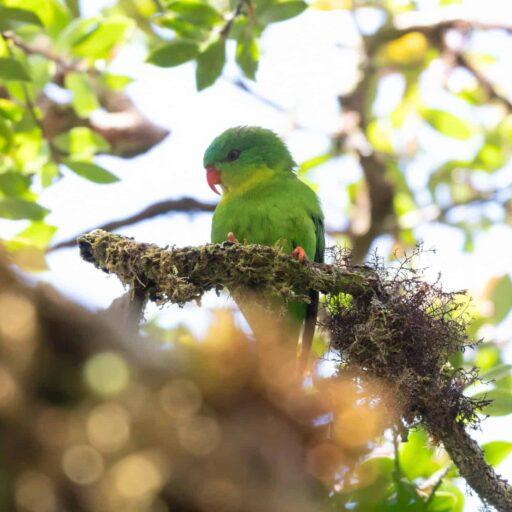
A bird officially classed as a lost species has been rediscovered in a remote region of Indonesia.
The blue-fronted lorikeet is a small endemic parrot found only on the island of Buru. It was first documented in the 1920s, but went undetected for nearly a century, until 2014, when it was photographed by a bird watcher.
Attempts to spot it again failed, until April, when conservationists photographed the species on a trek to Buru’s Mount Kapalatmada. Images were released this week.
“When we saw the blue-fronted lorikeet, I couldn’t hold back my tears,” said local guide Sumaraja, who helped lead the expedition for Birdtour Asia. “Every day, I almost cried with joy at seeing that these birds still exist.”
While the relative inaccessibility of Mount Kapalatmada’s highlands are helping the species cling on, logging and mining interests reportedly threaten its habitat.
“There is a need for a collective approach and action from all stakeholders to protect the remaining habitat of this incredible bird,” said Dwi Agustina, a conservationist at Konservasi Kakatua Indonesia.
Image: James Eaton/Birdtour Asia and John C Mittermeier/American Bird Conservancy
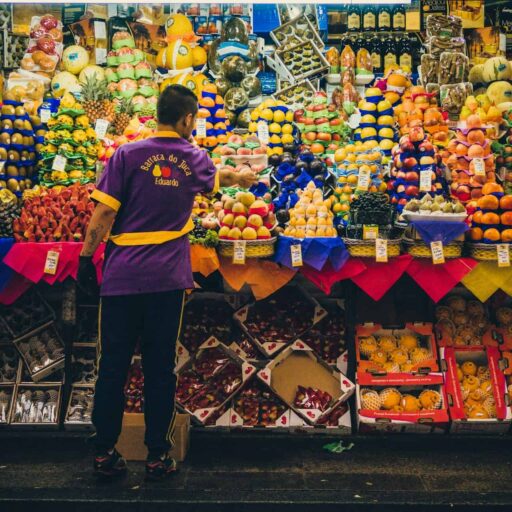
Brazil is bidding to take its position on ultra-processed foods worldwide after proposing that the World Health Organization (WHO) implement strict new rules on their sale and marketing.
The country has won the backing of France, Mexico and Uruguay for its proposed clampdown, which focuses primarily on protecting children. Its proposals call for clear, evidence-based definitions and classifications for ultra-processed foods (UPFs), alongside regulation.
Some food industry voices and nutrition researchers have questioned whether UPF classification is too blunt a tool, arguing that not all packaged foods carry the same health risks. However, supporters of Brazil’s approach argue that the evidence linking heavy UPF consumption to poor health outcomes is now too strong for governments to ignore.
Brazil has implemented restrictions on UPFs, which must not make up more than 10% of school menus. In Rio de Janeiro and the state of Ceará, they have been banned completely.
“In the coming years, we have to reduce it even further, until we reach zero,” health minister Alexandre Padilha told the Brazilian newspaper Estadão.
Read more: The surprise pushback against America’s junk food culture
Image: Davidson Luna
Nature’s ability to bounce back when given the chance is a source of hope amid a decline in global biodiversity.
That ability was highlighted this week by the results of a wildlife survey from a dairy farm turned rewilding site in Somerset, England.
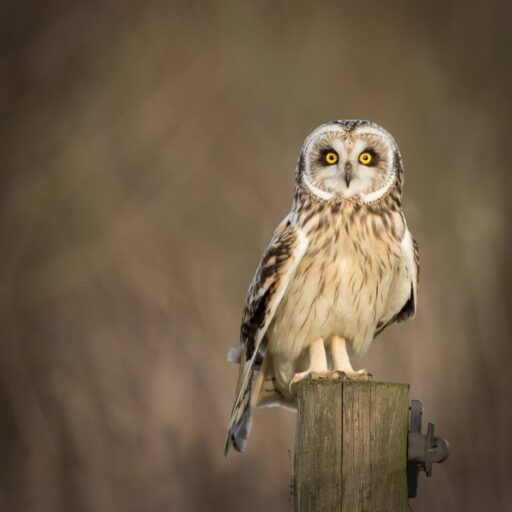
It found that the number of recorded bird species had soared from 67 to 94 in just three years, while butterfly species had more than doubled from 11 to 24.
The 190-hectare Heal Somerset estate was bought by the charity Heal Rewilding in 2023. Since then, nature has been allowed to reclaim the farm, with the help of reintroduced beavers and free-roaming pigs.
“We’re delighted with what we’re seeing so far; we hear the buzz of insects in the summer, we see the birds returning – all of that is joyful to witness,” Katie Stearn-Mills, Heal’s communications manager, told Positive News.
“However, we have only owned the land for three years, so it’s too early to point to definitive trends, but it’s encouraging and wonderful to see.”
Image: iStock

The Netherlands and Italy will be connected by a new sleeper train later this year, it was announced this week, in a major boost for Europe’s night train network.
The two countries haven’t been connected by a sleeper service for years. But amid renewed interest in low-carbon travel, the rail startup European Sleeper is set to plug the gap from December. The route is an extension of the Brussels-Milan service that it will launch in September, offering stops in Antwerp, Breda and Eindhoven.
“This connection brings together major European regions overnight in a comfortable and practical way, while making international train travel accessible to more people,” said Chris Engelsman, the firm’s co-founder.
Beds will cost from €49.99 (£43).
Image: iStock

Amid a global crisis in youth wellbeing, one country represents something of a bright spot: the Netherlands.
Unicef’s latest child wellbeing index, published this week, saw Dutch kids retain their status as the developed world’s happiest.
Positive News travelled to the Netherlands to find out what the Dutch are getting right. The country’s part-time work culture, relatively high levels of gender equality and hands-off approach to parenting were among the factors cited by experts. The humble bike, some suggested, is also an important part of the picture.
Read the full story here.
Image: Peyman Shojaei

What was the best advice you received as a child? That’s the question we put to Positive News readers – and as ever, we were flooded with brilliant responses.
“My grandma used to say: ‘Sunday best every day – what are you saving it for?’” recalled Dom from Sussex, England.
Read some of our other favourites here.
Image: Jacob Wackerhausen
Main image: Den Belitsky/iStock
Get your weekly fix of good news delivered to your inbox every Saturday, by signing up to the Positive News email newsletter
Be part of the solution
At Positive News, we’re not chasing clicks or profits for media moguls – we’re here to serve you and have a positive social impact. We can’t do this unless enough people like you choose to support our journalism.
Give once from just £1, or join 1,800+ others who contribute an average of £3 or more per month. Together, we can build a healthier form of media – one that focuses on solutions, progress and possibilities, and empowers people to create positive change.