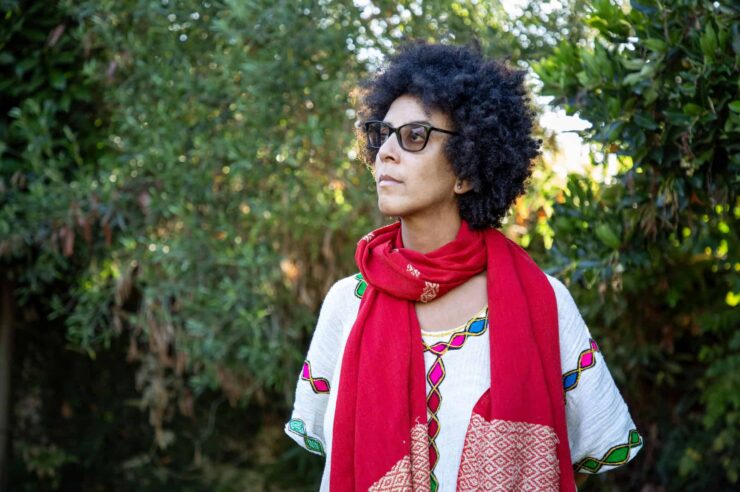
A pivotal moment for climate justice in Australia, the Nobel prize winners, and a promising drug for Parkinson’s, plus more good news
This week’s good news roundup
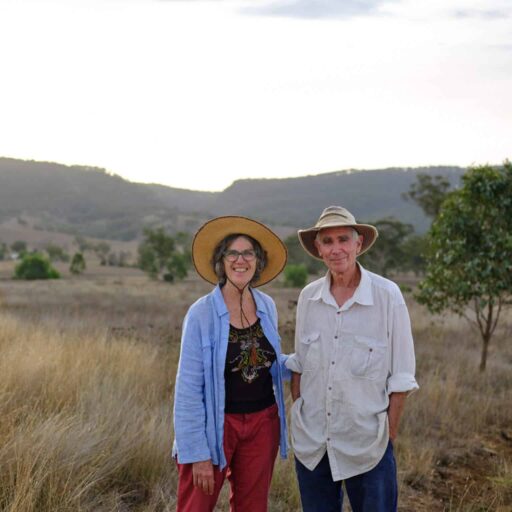
In a pivotal moment for climate justice in Australia, the country’s highest court has ruled against proposals to expand a massive coal mine in New South Wales.
In what was billed a “David versus Goliath” case, retired teachers Wendy Wales and Tony Lonergan (pictured) launched a legal challenge against the project after state planners gave it the go-ahead in 2022.
The pair argued that plans to extend the life of Mount Pleasant coal mine by 22 years, and double its output, flew in the face of national efforts to cut emissions. The New South Wales’ Court of Appeal agreed in 2025, declaring the project’s initial approval unlawful. It said that planners had not considered the downstream climate impact burning the coal would have in their assessment.
MACH Energy, which runs the mine, subsequently took the case to Australia’s High Court. But on Wednesday, the court struck down its appeal – a judgement that sets a legal precedent for fossil fuel approvals across Australia.
“Today the High Court said what we have always known: we cannot dig up coal, ship it overseas, watch it drive climate change, and then pretend the consequences have nothing to do with us, and won’t be felt by us,” said Wales. MACH Energy said it accepted the ruling.
Image: Environmental Justice Australia
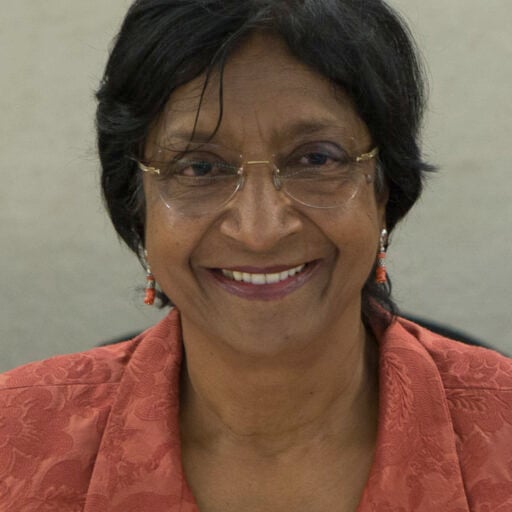
Navi Pillay, a former UN human rights commissioner, who has led efforts to prosecute war crimes and genocide, was awarded the Nobel peace prize on Friday.
The daughter of a bus driver, Pillay (pictured) was the first non-white woman judge in South Africa’s High Court and also served as a judge in the International Criminal Court. She was praised by the Nobel committee for her work “promoting peace and international law”.
Three scientists – Karl Deisseroth (US), Peter Hegemann (Germany) and Georg Nagel (Germany) – won the Nobel prize in physiology or medicine for their work on optogenetics. Optogenetics uses light to influence neuronal function, potentially paving the way for new treatments for blindness and epilepsy.
“Optogenetics provides opportunities for mapping the brain in a way that we could once only dream of,” said Per Svenningsson, chair of the Nobel Committee.
The Nobel prize for physics went to Francis Halzen (US), whose work studying ‘ghost particles’ in space shed light on the distant universe. Henri Kagan (France) and Kenso Soai (Japan) won the Nobel prize for chemistry. Their work has enabled them to design chemical reactions that produce more of the desired version of a molecule.
The Nobel prize for literature went to Canadian Anne Carson (pictured) “for her bold and inventive oeuvre that has created new forms for contemporary literature.”
Related: The alternative Nobel prize
Image:US Mission Geneva
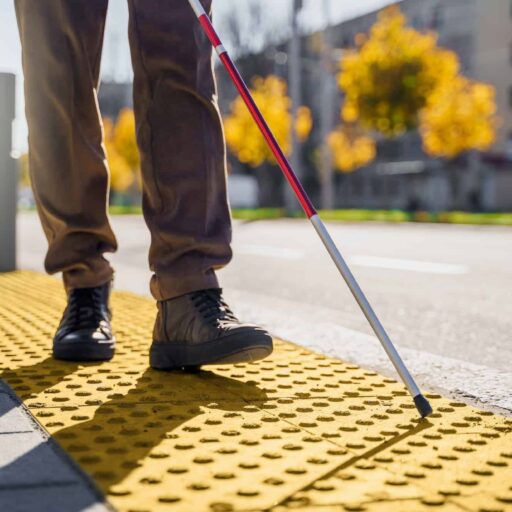
One of this year’s Nobel prize-winning discoveries has led to a potential breakthrough in vision restoration.
Karl Deisseroth, Peter Hegemann and Georg Nagel were awarded the Nobel prize in physiology or medicine for their work in optogenetics. This pioneering research formed the basis for a new therapy targeting advanced retinitis pigmentosa, a condition that causes blindness through the death of photoreceptor cells in the retina.
The treatment combines gene therapy with light stimulating goggles to make surviving retinal cells responsive to light. In a study involving 10 participants, six showed “a clinically meaningful increase in light sensitivity”. It comes five years after a proof-of-concept study, involving one patient, in 2021.
While the treatment did not restore normal sight, and the patients still could not read or recognise faces, several were able to detect or locate objects, find a doorway or follow a line while wearing the goggles.
Experts said the breakthrough was “an important milestone for optogenetic vision restoration”.
Image: ThomsonD
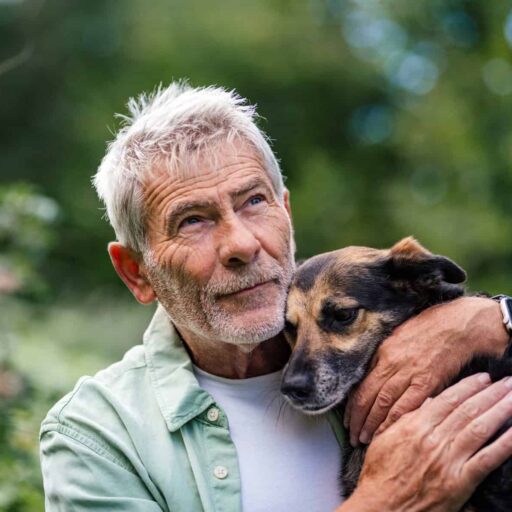
Researchers have hailed as “encouraging” a new drug for Parkinson’s disease, which performed well in a small trial.
The drug, SNT-4728, was trialled on 30 people with isolated REM sleep behaviour disorder (iRBD) – a condition where people physically act out their dreams. It’s usually a precursor to Parkinson’s. A further 11 participants were recruited to take a placebo in a control group.
The joint Australia-UK trial found that people who took SNT-4728 saw improvements in their movement compared to those who took a placebo. The change was “statistically significant” 12 weeks after participants stopped taking it, researchers said.
Around 10 million people live with Parkinson’s disease. There are currently no drugs to stop or slow its progression.
“These results are encouraging, showing an improvement in movement symptoms in a population who have yet to be diagnosed with Parkinson’s,” said Dr Lynsey Bilsland from the charity Parkinson’s UK. “This data shows real promise for people living with Parkinson’s and iRBD today. We look forward to seeing results from larger trials.”
Image: Halfpoint

Doctors in Scotland have performed a pioneering testicular tissue transplant on a teenager, raising hopes that boys left infertile by chemotherapy could one day have their own children.
The 19-year-old student, who wishes to remain anonymous, had testicular tissue removed and frozen in 2023 before undergoing a bone marrow transplant to treat a serious blood disorder.
The treatment, which involves high dose chemotherapy, can permanently damage the cells needed to produce sperm, leaving children who undergo it at risk of infertility in adulthood. Three years after the patient’s transplant, tests showed that he had no sperm in his semen.
However, doctors announced this week that they had transplanted some of his previously frozen testicular tissue back into his body, in the hope that it will begin to produce sperm. It’s only the second time globally that such a transplant has been carried out, and the first time in the UK.
“This is a big step towards helping boys facing treatments that damage their fertility to have children of their own,” said study lead Rod Mitchell, professor of developmental endocrinology at the University of Edinburgh, which led the research. “This study offers real hope for future fertility in boys facing cancer treatment.”
Image: Lee Charlie

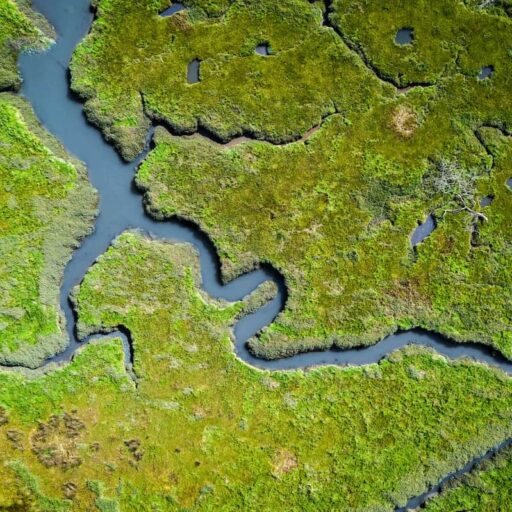
Restoring natural ecosystems is one of the best lines of defence we have against wildfires, a new report claims.
Wildfires have raged across the UK this year, prompting some in the media to blame rewilding efforts. However, a new report from Rewilding Britain scotches such claims, adding to growing evidence that the opposite is true.
Authors of the report analysed all 285 rewilding projects over 40 hectares that are part of the UK’s Rewilding Network. Of them, just one was affected by fires this year.
A separate spatial analysis of burned areas between 2016 and 2026 found that monocultures, such as grass pastures, were more likely to burn than restored natural habitats. Acid grassland accounted for 27% of the area burned, followed by heather grassland (25%), heather (18%), and bog (16%).
“Drained moors, commercial timber plantations and artificially dry landscapes are the real tinderboxes across our countryside,” said Rewilding Britain CEO, Rebecca Wrigley. “Replacing monoculture vegetation with wetlands, less-flammable native broadleaf trees, and naturally grazed glades cuts fire intensity by up to five times. It’s hard to light a soaked sponge. Rewilding puts the water back in.”
Image: steved_np3
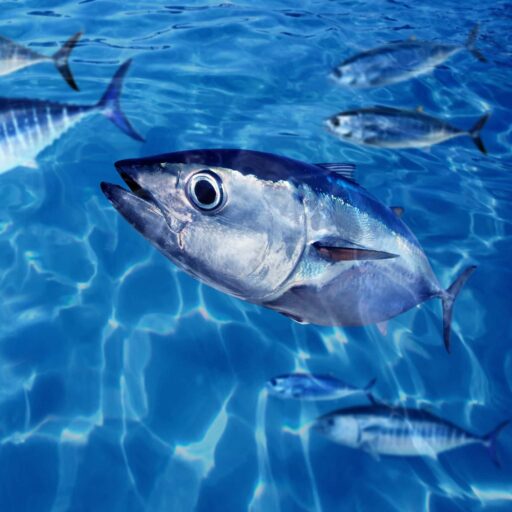
Wildlife can bounce back faster than people realise, claims a new report, while urging the world to “seize a shrinking window to save nature”.
The Living Planet Report 2026, published by the World Wildlife Fund (WWF), opened with a sobering stat: monitored vertebrate populations have declined by an average of 73% since 1970.
However, it highlighted the recovery of four species – tigers, turtles, tuna and elephants – as proof that losses can be reversed. It also pointed to the world’s rapid uptake of green energy as proof that systems can change at pace.
Describing the embrace of renewables as a “positive tipping point”, the WWF said it was vital that similar shifts happen in agriculture.
“At a moment when climate change is undermining farming and food security … the case for switching to nature-positive production and more sustainable diets that require less land is becoming ever-stronger,” the report said. “But the pace of change lags years behind the energy system.”
Tipping points researcher, Dr Steve Smith from the Exeter University, England, said: “Just as solar power went from niche to dominant in a generation, nature’s decline is not inevitable. It’s the sum of our choices, and these choices can tip.”
Image: lunamarina
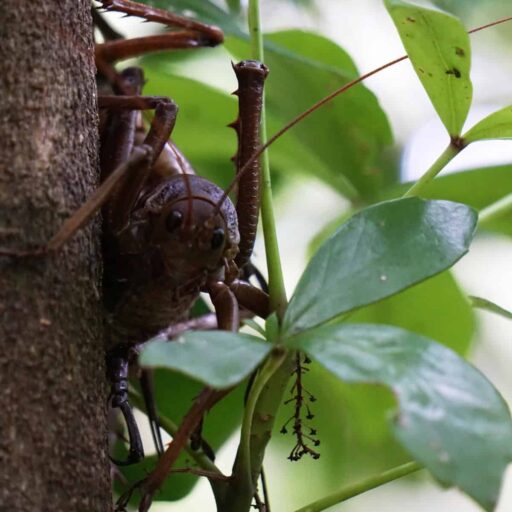
It’s not as endearing as an elephant, nowhere near as cute as a big cat. In fact, you’d probably be quite happy to never encounter one. But, in a big conservation win, the ‘world’s heaviest insect’ is back from the brink.
New Zealand’s endemic wētāpunga was, until recently, listed as ‘nationally endangered’, having disappeared from the mainland following the introduction of invasive predators.
However, a breeding programme, which saw more than 11,000 of the insects released into the wild, was this week hailed a success, as a study revealed that reintroduced populations are thriving.
Weighing as much as a mouse, the wētāpunga is believed to be the world’s heaviest insect. It was introduced to 10 sites on predator-free islands in New Zealand over 15 years, and is now listed as ‘nationally increasing’. Ecologists hailed its turnaround as a “conservation success story”.
“The future of wētāpunga is looking bright,” said lead author Dr Chris Green, from New Zealand’s department of conservation. “There are many more critically endangered invertebrates that could benefit from similar programmes.”
Image: snoopaya
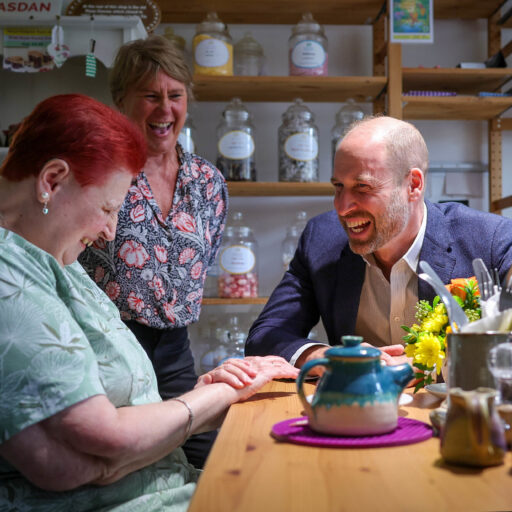
A toolkit to help UK communities build resilience against extreme weather and cyber attacks was launched this week by the Prince of Wales.
Positive News attended the event in Illminster, Somerset, which has faced flooding and wildfires in recent years. The prince met with residents who had pulled together to help those affected.
The new Ready Together toolkit, created by the National Emergencies Trust, offers an “evidence-backed, how-to guide” to help communities like Illminster better prepare for crises. Prince William is patron of the charity. Actor Ross Kemp, who was also there, is an ambassador.
“When I made documentaries during Covid, I saw how people came together; we’re really good at doing that during a crisis,” Kemp told Positive News. “But how much better would we be if we were prepared? That’s what this is about.”
Read the full story here.
Image: Andrew Parsons/Kensington Palace
Main image: Anek Soowannaphoom/Shutterstock
Because the world needs it
Positive News reports on the people and ideas driving progress. We believe that giving attention to solutions helps them spread.
Our journalism is independent and powered by our readers. There are no media moguls or shareholders extracting profits: your contribution funds our work to investigate what’s working, understand why, and bring those stories to a wider audience.
If you value a fuller picture of what’s happening in the world, please become a Positive News supporter today.